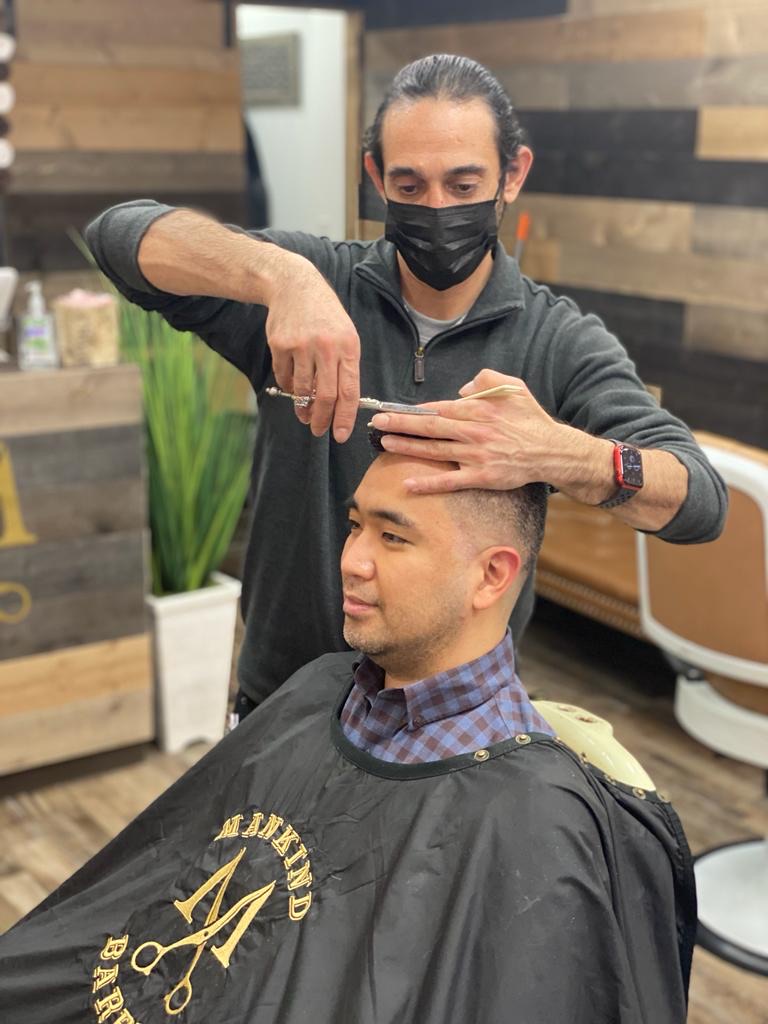
Mastering Fade Techniques for Men's Haircuts

Mastering Fade Techniques for Men's Haircuts

Discover the essential skills needed for mastering fade techniques in men's haircuts, ensuring a polished and stylish finish. This guide provides step-by-step instructions and tips to achieve perfect fades every time.

What are the key differences between a low fade, mid fade, and high fade in men's haircuts?

In men's haircuts, the distinctions between a low fade, mid fade, and high fade are significant in terms of style and visual impact. A low fade begins just above the ears and gradually transitions into very short or shaved hair at the nape of the neck; this type is often associated with classic hairstyles like crew cuts or pompadours, providing a subtle yet polished look that can accentuate facial features. In contrast, a mid fade starts higher on the head—approximately halfway up from the temples—and creates a more balanced appearance by blending shorter sides into longer top sections; this versatility allows it to work well with various styles such as quiffs or slicked-back looks while offering an edgy feel without being overly dramatic. Lastly, a high fade commences around the crown of the head or even higher near where hair naturally grows thickest; this bold choice results in stark contrasts between long hair on top and extremely short sides which can command attention easily—ideal for modern trends like undercuts or textured crops that emphasize individuality and confidence. Each fading technique not only alters overall aesthetics but also influences how other elements such as beard styles interact with one’s hairstyle—a crucial consideration when selecting among these fades for achieving desired personal expression through grooming choices.

Men's grooming services provide an opportunity to enhance personal appearance and boost confidence. By utilizing these services, individuals can achieve a polished look that reflects their style and professionalism. To explore the various offerings and benefits of men's grooming, visit explore different haircut styles for men

How can one effectively blend different lengths when performing a skin fade technique?

To effectively blend different lengths when performing a skin fade technique, one must first gather the right tools, including clippers with adjustable guards and blending shears. The process begins by determining the desired length for the top of the hair and choosing an appropriate starting guard for the lower section near the nape and sides. It is crucial to use a clipper-over-comb method around areas where hard lines may form, ensuring that each transition from short to long appears seamless rather than abrupt. As one moves up towards higher sections of hair, gradually switching to longer guard sizes allows for a smoother gradient; this can be enhanced further by employing techniques such as scissor cutting or point cutting on top layers to create texture while maintaining balance throughout all parts of the head. For optimal results in achieving an even blend, utilizing proper fading techniques like flicking out at edges will help eliminate any harsh demarcations along transitional zones between lengths—an essential factor in attaining that sought-after polished finish characteristic of flawless fades. Additionally, consistent combing during this procedure keeps track of how well layers are melding together while assessing overall symmetry across both sides enhances precision as it prevents unevenness which could detract from finishing touches like detailing around temples or ears using trimmers for sharp outlines—a vital step in creating refined visual appeal within hairstyles featuring varied lengths harmoniously coming together through skilful execution.

What tools are essential for achieving precision in taper fades versus drop fades during men’s hairstyling?

Achieving precision in taper fades versus drop fades during men’s hairstyling requires a variety of essential tools that cater to the specific needs of each technique. For taper fades, barbers typically rely on clippers with adjustable blades for seamless blending and smooth transitions between different lengths, while using guard attachments ranging from #1 to #4 allows for controlled shortening without losing shape. A comb is crucial as it aids in lifting hair away from the scalp, facilitating precise cutting along the perimeter. In contrast, drop fades necessitate more detailed work; therefore, professional shears are vital for snipping away bulk and creating texture at various angles around the crown and nape areas. Additionally, trimmers with fine-tooth blades help outline sharp edges and define contours effectively when finishing off styles like sideburns or necklines that create depth in a drop fade look. Barbers also utilize techniques such as point cutting or slide cutting to enhance volume and movement within both hairstyles while ensuring symmetry throughout the cut. The use of mirrors can assist barbers in assessing balance from multiple perspectives during service delivery which contributes significantly toward achieving accuracy regardless of whether one opts for a classic taper fade or an edgy drop fade style tailored specifically to individual preferences.

In what ways does texturizing the top section impact the overall appearance of faded hairstyles for men?

Texturizing the top section of faded hairstyles for men significantly enhances their overall appearance by adding depth, dimension, and a modern edge to the cut. When hair is texturized, it involves techniques like point cutting or razor cutting that remove bulk while maintaining length and shape, resulting in lighter strands that move more freely. This creates a contrast between the sleekly faded sides and the textured top, which can make styles such as pompadours or quiffs look more dynamic and less flat. Additionally, texture allows for versatile styling options; whether opting for a messy bedhead look or slicking back with product, texturization offers flexibility in achieving various aesthetics from casual to refined. It also draws attention away from any imperfections on the scalp or thinning areas by creating visual interest through layers and separation within sections of hair. The interplay between different lengths achieved via texturing means light interacts with hair differently throughout its surface area; thus enhancing shine and giving off an impression of vitality rather than uniformity found in non-textured cuts. Ultimately, incorporating texture into faded hairstyles not only elevates style but also contributes to individual expression by allowing men to customize their looks according to personal tastes while staying current with contemporary trends in men's grooming fashion.

How should one adjust fading techniques based on varying hair types and textures to achieve optimal results?

Adjusting fading techniques based on different hair types and textures is essential for achieving optimal results in hairstyling. For straight hair, which often reflects light well, stylists might utilize a gradual fade that enhances the sleekness without losing volume at the roots; this can involve using clippers with guard sizes that transition smoothly to maintain an even appearance. In contrast, wavy or curly hair requires more attention to texture since these strands tend to blend differently; here, texturizing shears may be employed alongside clipper fades to create definition while preserving natural curl patterns and preventing frizz. Additionally, coily or afro-textured hair benefits from a careful approach where fading must consider shrinkage—stylists should opt for longer lengths at the top while tapering down the sides gently so as not to disrupt the overall shape and promote fullness around the crown area. Furthermore, understanding how porosity affects color retention during any fading technique is crucial; low-porosity hair tends to resist dye absorption requiring softer blends compared to high-porosity textures that absorb pigments more readily but also require moisturizing products post-fade due to their tendency towards dryness. Each unique characteristic of various ethnicities’ hair—from Asian straightness through Mediterranean waves down into African coils—influences not only visual appeal but also maintenance routines after applying specific fade styles like drop fades or skin fades; therefore adapting approaches by incorporating varied tools such as razors versus clippers ensures both aesthetic coherence and health preservation across all diverse mane types found globally in salons today.

Frequently Asked Questions

In men's haircuts, the distinctions between low, mid, and high fades are primarily characterized by how far up the sides and back of the head the fade transitions from short to longer hair. A low fade typically begins just above the ears or at the natural hairline on the nape of the neck, offering a subtle transition that creates a soft gradient effect; this style is often favored for its understated elegance and versatility in pairing with various hairstyles like crew cuts or pompadours. The mid fade sits directly between these two extremes, starting around temple height and providing a balanced appearance that complements both casual looks as well as more formal styles such as slicked-back undercuts. In contrast, a high fade initiates much closer to the crown of the head—usually beginning above temple level—which results in an edgier aesthetic that accentuates facial features while allowing for dramatic styling choices on top; this bold variation pairs exceptionally well with textured quiffs or modern spiky styles. Each type of fade offers distinct visual dynamics depending on personal grooming preferences and desired overall impact within contemporary men’s hairstyling trends.

To achieve a seamless blend when transitioning from short to long hair in a fade, one must focus on utilizing precise techniques such as the scissor-over-comb method and clipper guard variations, ensuring that the gradient progresses smoothly without stark lines. Employing texturizing shears can add dimension while reducing bulk at critical junctions where length changes occur. A skilled stylist often employs fading techniques like low fades or mid-fades to create harmonious transitions between varying lengths, integrating layering strategies that enhance volume and movement throughout the hairstyle. Additionally, incorporating styling products such as pomade or mousse can aid in defining texture while maintaining control over flyaways during this transformative process. Recognizing head shape and hair growth patterns is essential for customizing each fade style tailored to individual preferences and achieving an effortlessly blended appearance that complements one's overall aesthetic.

To master precision fades across various hair textures, a barber requires an array of essential tools that enhance accuracy and efficiency. High-quality clippers with adjustable blades, such as fading clippers or tapering clippers, facilitate seamless transitions between lengths on coarse, fine, curly, or straight hair types. The use of combs specifically designed for fade techniques—like blending combs and wide-tooth combs—is crucial for achieving smooth gradients and precise line work. Additionally, shears for texturizing play a vital role in removing bulk while maintaining the integrity of the hairstyle on different textures. A trimmer equipped with fine detailing capabilities is indispensable for crisp edges around the nape and sideburn areas. Furthermore, utilizing styling products like pomades or creams can help define hairstyles post-fade by enhancing texture control according to diverse curl patterns and thicknesses. Mastery over these tools not only elevates fade artistry but also ensures adaptability to cater to clients' unique preferences across varying hair characteristics.

Determining the appropriate fade length based on face shape involves a nuanced understanding of facial proportions and symmetry. For individuals with oval faces, longer fades can enhance their naturally balanced features, while those with square jawlines may benefit from shorter fades that soften angularity. Round face shapes often require medium to high fades to elongate the appearance of the face, creating a more structured look. Conversely, triangular or heart-shaped faces may suit low fades that maintain balance between broader foreheads and narrower chins. Additionally, incorporating textural elements such as skin fading or tapered cuts can further complement specific attributes tied to each unique visage type, ensuring a harmonious blend between hairstyle and overall aesthetic appeal. Ultimately, skilled barbers analyze these factors alongside hair texture and personal style preferences for optimal results in fade selection tailored precisely to individual characteristics.

Various techniques can be employed to create intricate patterns or designs within a faded haircut, enhancing its visual appeal and personal expression. Barbers often utilize advanced clipper-over-comb methods to achieve seamless transitions between different lengths while incorporating sharp lines and geometric shapes that stand out against the gradient of the fade. The use of trimmers allows for detailed etching, enabling artists to carve out logos, symbols, or abstract motifs directly into the scalp hair with precision. Additionally, styling products like pomades and waxes can accentuate these designs by adding texture and shine. Color-enhancing sprays may also be applied post-cutting to emphasize specific areas of the pattern, further elevating its prominence. Techniques such as freehand carving or razor cutting provide additional depth through varied textural contrasts that complement both short fades and long styles alike. Ultimately, combining these artistic elements fosters a unique identity in contemporary barbering culture where individuality thrives through innovative design features within faded haircuts.
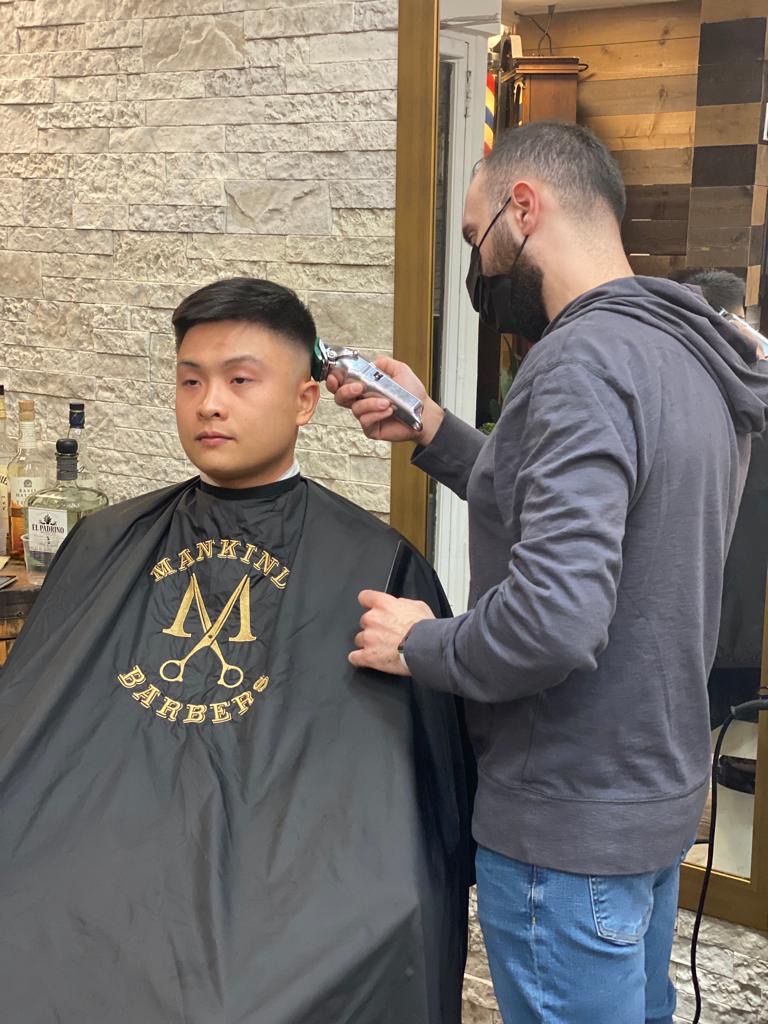
Mastering Fade Techniques for Men's Haircuts

Mastering Fade Techniques for Men's Haircuts

Contact Us

Mankind Barbers NYC

  • Address: 328 East 66th Street, East Store, New York, NY 10065
  • Phone: (718) 644-9536
  • Email: mankindbarbersnyc@mail.com

© Copyright - All Rights Reserved