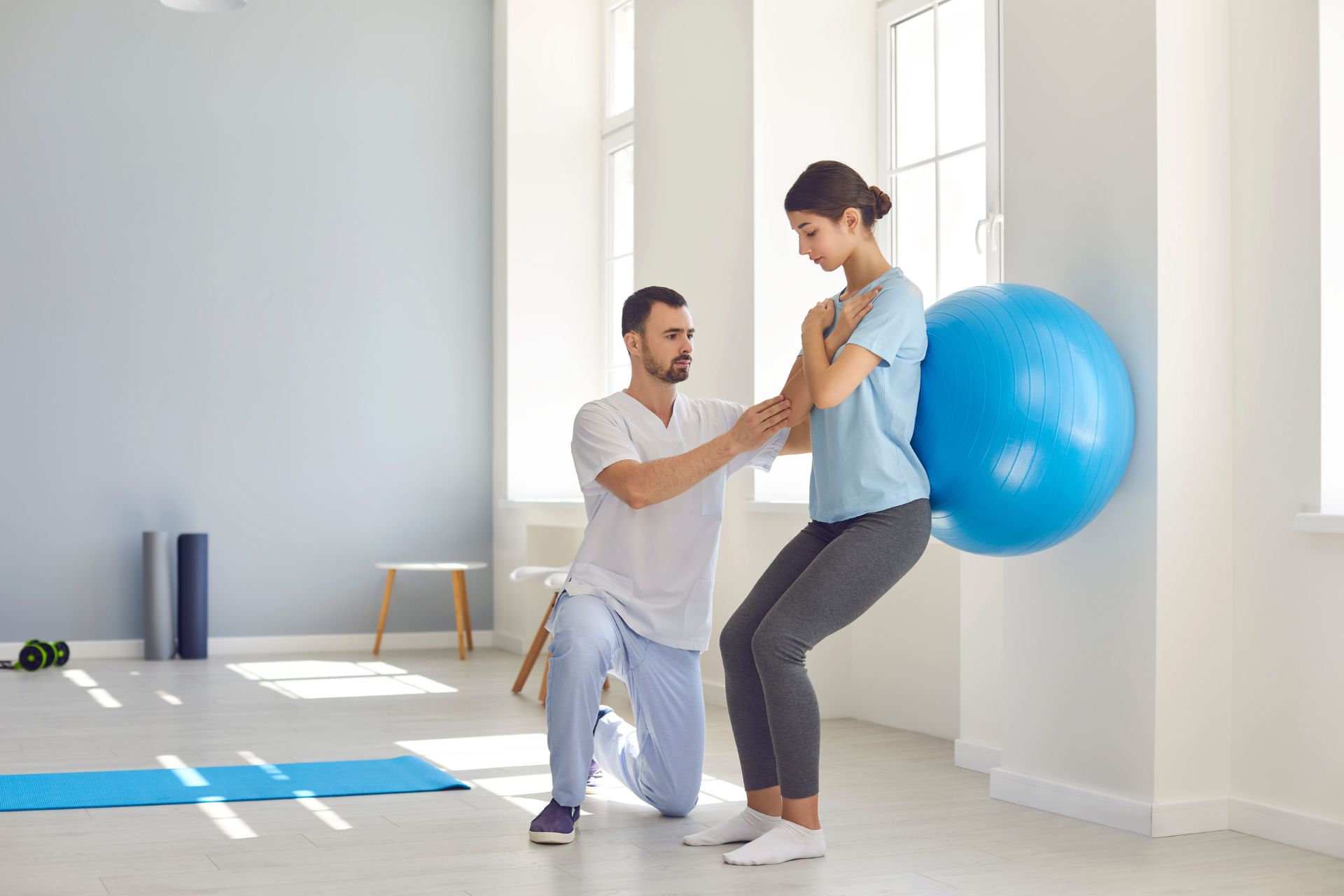
Best Practices for Managing Pain Through Physical Therapy After Surgery

Best Practices for Managing Pain Through Physical Therapy After Surgery

Discover best practices for managing pain through physical therapy after surgery, including effective techniques and personalized treatment plans. This comprehensive guide offers valuable insights to enhance recovery and promote optimal healing.

How can specific range of motion exercises be incorporated into a post-surgical physical therapy plan to effectively manage pain?

Incorporating specific range of motion exercises into a post-surgical physical therapy plan is essential for effectively managing pain and enhancing recovery. These targeted exercises, which may include gentle stretching, passive movements, and active-assisted ranges, aim to restore flexibility in affected joints while minimizing stiffness that often follows surgical procedures. By gradually increasing the intensity and duration of these motions under professional guidance, patients can improve blood circulation around the surgical site—helping alleviate discomfort—and promote healing by stimulating tissue regeneration. Utilizing modalities like heat or cold therapy before engaging in these movements can further assist in pain management by reducing inflammation and preparing muscles for activity. It’s important to establish a structured routine that balances mobility training with adequate rest periods; this ensures that patients do not overexert themselves while still maintaining regular engagement with their rehabilitation program. Additionally, incorporating proprioceptive activities can enhance coordination and stability as part of comprehensive recovery efforts following surgery. This systematic approach fosters overall well-being by addressing both physical limitations related to joint function as well as psychological factors associated with post-operative anxiety or fear of movement due to potential pain exacerbation during early stages of rehabilitation.

Orthopedic rehab therapy plays a crucial role in restoring mobility and reducing pain after injuries or surgeries. By engaging with expert resources, individuals can gain insights on effective recovery techniques tailored to their specific needs. To deepen your understanding of orthopedic rehabilitation strategies, visit insights on post-surgery therapy protocols

What role do modalities such as ultrasound and electrical stimulation play in alleviating postoperative pain during physical therapy sessions?

Modalities such as ultrasound and electrical stimulation play significant roles in alleviating postoperative pain during physical therapy sessions by promoting healing, reducing inflammation, and enhancing tissue recovery. Ultrasound therapy utilizes high-frequency sound waves to penetrate deep into the tissues, which can help decrease swelling and stiffness while increasing blood flow to the affected areas; this increased circulation aids in delivering essential nutrients needed for recovery. Additionally, the thermal effects of ultrasound may relax muscles surrounding surgical sites, leading to reduced discomfort during movement. On the other hand, electrical stimulation involves applying low-level electric currents through electrodes placed on or near painful areas; this method stimulates nerve fibers that can block pain signals from reaching the brain while also triggering muscle contractions that promote strength and range of motion. Both modalities are used strategically within a comprehensive rehabilitation program aimed at improving patient outcomes post-surgery by managing pain effectively without relying solely on medication. The combination of these therapeutic techniques not only addresses immediate postoperative discomfort but also fosters a more active participation in physical activities necessary for long-term recovery and rehabilitation success.

In what ways can strengthening protocols tailored for surgical recovery help reduce chronic pain after surgery?

Strengthening protocols tailored for surgical recovery can significantly reduce chronic pain after surgery by implementing comprehensive strategies that enhance patient care and promote effective healing. These enhanced recovery pathways may include a combination of multimodal analgesia, which utilizes various medications to target different pain mechanisms, thus minimizing reliance on opioids and decreasing the risk of addiction or side effects. Additionally, incorporating physical therapy early in the postoperative period encourages mobility and strengthens muscles surrounding the surgical site, facilitating quicker rehabilitation while reducing stiffness and discomfort. Patient education also plays a crucial role; when individuals are well-informed about what to expect during their recovery process—including potential symptoms like inflammation or soreness—they can manage their post-surgical expectations more effectively. Furthermore, integrating psychological support through counseling or stress-reduction techniques such as mindfulness practices helps address any anxiety related to surgery which could amplify perceived pain levels. Nutritional optimization is another essential aspect; ensuring patients receive adequate nutrients supports tissue repair and overall wellness during recovery phases. Lastly, regular follow-ups with healthcare providers allow for timely interventions if complications arise—such as infection or improper healing—that might contribute to prolonged discomfort or chronic pain development later on. By combining these innovative approaches within structured protocols designed specifically for individual needs based on type of surgery performed, healthcare professionals not only improve short-term outcomes but also lay down an essential foundation aimed at preventing chronic pain syndromes from emerging long after the initial procedures have been completed.

How does the timing of initiating weight-bearing activities influence pain management outcomes following orthopedic surgery rehabilitation?

The timing of initiating weight-bearing activities plays a crucial role in pain management outcomes following orthopedic surgery rehabilitation, as it directly affects the recovery process and overall patient satisfaction. Early introduction of weight-bearing exercises can enhance joint stability, promote muscle strength, and encourage faster healing by stimulating circulation to the affected area; however, too much stress on healing tissues may lead to increased discomfort or complications such as swelling or inflammation. Conversely, delaying these activities might result in prolonged stiffness and atrophy of surrounding muscles due to disuse. Research has shown that carefully monitored progressive loading not only helps mitigate pain through improved function but also fosters psychological benefits by instilling confidence in patients' abilities post-surgery. Moreover, incorporating therapeutic modalities like physical therapy can assist with proper gait training while reducing apprehension associated with mobility challenges after surgical interventions. Overall, finding an optimal balance for starting weight-bearing tasks is essential for minimizing postoperative pain levels while promoting functional independence during recovery from orthopedic procedures like hip replacements or ligament repairs.

What techniques are recommended for therapists to monitor and adjust treatment intensity based on a patient's reported pain levels during recovery from surgery?

Therapists can utilize various techniques to monitor and adjust treatment intensity based on a patient's reported pain levels during recovery from surgery, ensuring an individualized approach that enhances healing. One effective method is the use of standardized pain assessment tools such as the Numeric Rating Scale (NRS) or Visual Analog Scale (VAS), which allow patients to quantify their discomfort easily, providing therapists with measurable data for analysis. Additionally, employing regular check-ins through verbal communication facilitates open dialogue about any changes in pain perception throughout therapy sessions; this helps therapists gauge whether adjustments in therapeutic exercises or modalities are necessary. Incorporating objective measures like range of motion assessments or functional mobility tests also assists clinicians in understanding how pain affects physical capabilities over time. Furthermore, implementing patient education regarding self-reporting and encouraging them to express fluctuations in their symptoms promotes active participation in their recovery journey. Utilizing a multidimensional approach that includes psychological support can address factors contributing to perceived pain levels while allowing for modifications tailored specifically to each patient’s needs—this might include varying exercise intensities, integrating relaxation techniques such as deep breathing or mindfulness practices, and applying complementary therapies like heat/cold treatments depending on individual responses during rehabilitation sessions. By consistently evaluating these elements and adjusting interventions accordingly based on real-time feedback from patients about their experiences with post-surgical pain management strategies, therapists create a dynamic environment conducive not only to physical improvement but emotional well-being as well.

Frequently Asked Questions

Physical therapists employ a variety of specific techniques to manage post-surgical pain in patients recovering from knee replacements, focusing on optimizing functional mobility and enhancing rehabilitation outcomes. They often utilize manual therapy modalities, such as soft tissue mobilization and joint mobilization, to alleviate stiffness and improve range of motion around the operated joint. Additionally, they implement therapeutic exercises tailored to strengthen surrounding musculature while concurrently addressing proprioceptive deficits through balance training activities. Modalities like cryotherapy for reducing swelling and electrical stimulation (TENS) for pain modulation are frequently integrated into treatment plans. Furthermore, education about activity pacing strategies helps patients understand how to engage in daily tasks without exacerbating their discomfort. Altogether, these multifaceted interventions aim not only at minimizing postoperative pain but also at expediting recovery timelines for optimal return to functional independence post-knee arthroplasty.

Aquatic therapy can be seamlessly integrated into a post-operative rehabilitation plan for shoulder surgery by utilizing the unique properties of water to enhance recovery and mobility. The buoyancy provided by water reduces joint stress, allowing patients to perform rehabilitative exercises with decreased pain while promoting range of motion and flexibility in the affected shoulder. This therapeutic approach incorporates activities such as passive range-of-motion exercises, active assisted movements, and progressive strengthening routines conducted within a controlled aquatic environment. Furthermore, hydrostatic pressure can facilitate circulation and reduce edema around the surgical site, aiding in tissue healing. By incorporating tools like resistance bands or foam noodles during sessions, therapists can create customized protocols that address both functional strength deficits and proprioception challenges specific to post-surgical conditions. Ultimately, this multifaceted strategy fosters an adaptive recovery process through gradual reintroduction of movement patterns essential for regaining full shoulder function after surgery.

Neuromuscular electrical stimulation (NMES) plays a significant role in pain management following orthopedic surgeries by promoting muscle contraction and enhancing blood flow to the affected area, which can lead to reduced edema and improved circulation. By delivering low-frequency electrical impulses through electrodes placed on the skin, NMES activates motor neurons that stimulate skeletal muscles, facilitating neuromuscular re-education while simultaneously mitigating nociceptive signals associated with postoperative discomfort. This technique can also help prevent muscle atrophy and maintain functional mobility during rehabilitation phases after procedures such as joint arthroplasty or ligament reconstruction. Additionally, NMES may contribute to the modulation of peripheral nerve activity by influencing gate control mechanisms within the central nervous system, ultimately contributing to analgesic effects alongside traditional pharmacological interventions like opioids or nonsteroidal anti-inflammatory drugs (NSAIDs). Overall, integrating NMES into postoperative care protocols presents an effective adjunct for alleviating acute pain while optimizing recovery trajectories in patients undergoing orthopedic interventions.

Patients typically should expect to attend physical therapy sessions two to three times per week following abdominal surgery for optimal pain management and recovery. This frequency allows for tailored rehabilitation protocols that address postoperative complications such as incisional pain, muscle weakness, and decreased mobility. Physical therapists implement a regimented plan focusing on core stabilization exercises, flexibility training, and gradual progression of functional activities aimed at enhancing range of motion while minimizing discomfort. Additionally, consistent attendance aids in monitoring vital signs and managing any emerging symptoms effectively during the healing process. Over time, as patients demonstrate improvement in strength and endurance levels through targeted therapeutic interventions like manual therapy techniques or neuromuscular re-education strategies, the frequency of visits may be adjusted accordingly to ensure sustained progress towards their individualized recovery goals.

During the early stages of recovery from hip replacement surgery, specific stretching exercises are crucial for alleviating discomfort and promoting mobility. Gentle stretches targeting the hip flexors, quadriceps, hamstrings, and gluteal muscles can enhance flexibility while reducing stiffness around the surgical site. Techniques such as seated leg lifts or standing heel slides may help improve range of motion without placing undue stress on the healing joint. Incorporating deep breathing during these exercises further supports relaxation and aids in pain management by increasing blood flow to the affected area. Additionally, performing ankle pumps can facilitate circulation in the lower extremities post-surgery. It is essential that patients consult their physical therapist to ensure that all movements align with their rehabilitation protocol and promote optimal recovery outcomes while avoiding complications like dislocation or excessive strain on soft tissues surrounding the new implant.
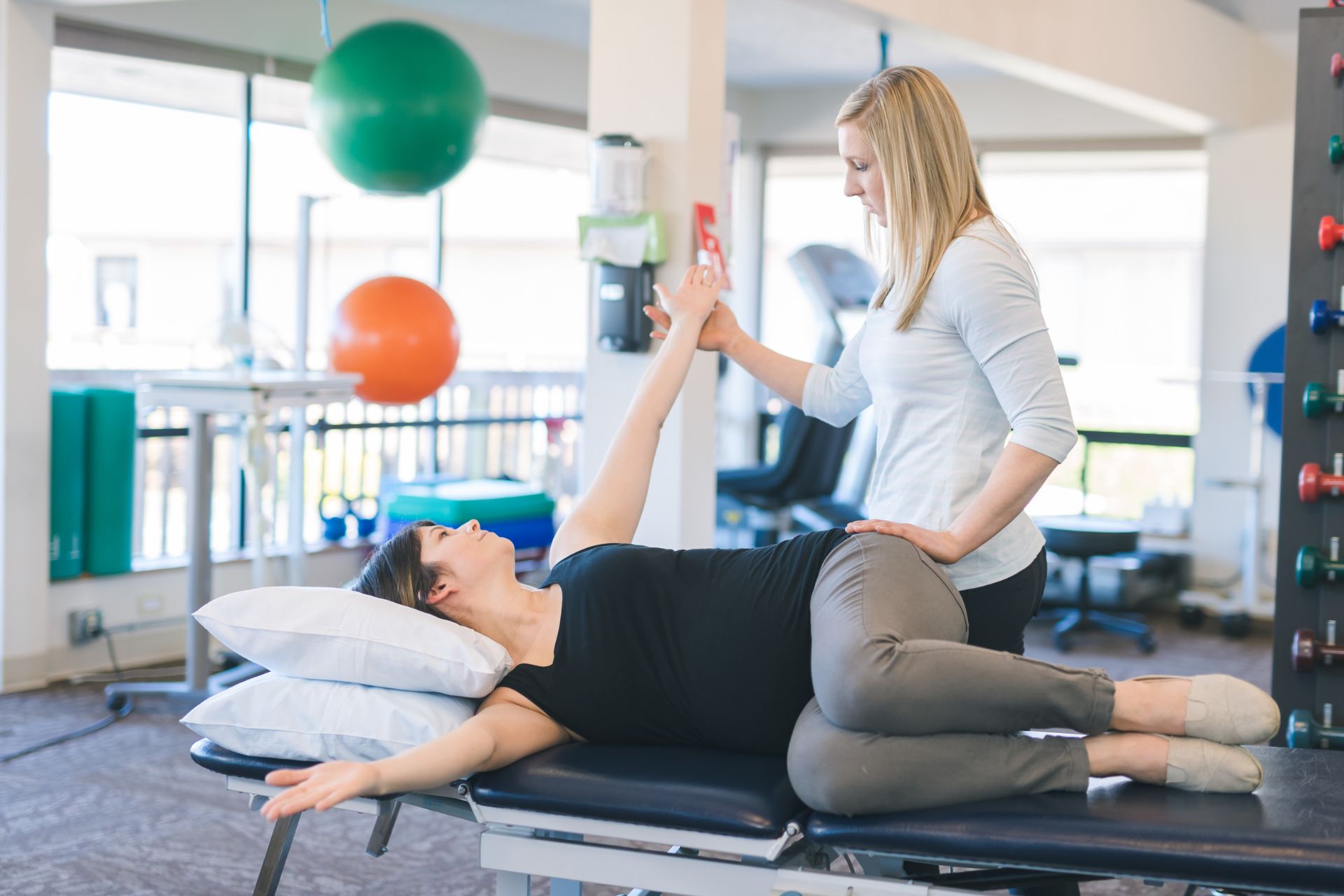
Best Practices for Managing Pain Through Physical Therapy After Surgery

Best Practices for Managing Pain Through Physical Therapy After Surgery

Contact Us

Alpine Physical Therapy and Fitness

  • Address: 3130 Alpine Rd Suite 370, Portola Valley, CA 94028
  • Phone: (650) 242-0777
  • Email: alpineptfit@mail.com

© Copyright - All Rights Reserved